Here is some information about what to look for in counseling. Also some resources that you may find helpful and an excerpt of my resume.
Good counseling relies on the three foundations of mental health treatment.
1. Establishing Trust - Another way to say establishing trust is answering the questions "can i work with this person?" "is there somewhere for the relationship to go."
2. Providing high level empathy - high level empathy is the ability to feel what another person feels then communicate it back to that person. Sometimes this is described as feeling like a piece of a puzzle has been found.
3. Employing evidence based therapeutic interventions - this is the fun stuff. This is the part of treatment that people often find most enjoyable. These are techniques that have been researched and well founded in science for their ability to cause people to heal and mend from complex mental, emotional and behavioral illnesses. Some of these interventions are as simple as talking through a CBT (cognitive behavioral therapy) worksheet with someone experiencing depression in order to identify negative thoughts that are the drivers of depression. Other interventions can be more dynamic such as doing role play with a family where the family members switch roles and act out scenes to help foster communication and understanding.
In general it is good to try a variety of interventions. A typical treatment plan might include: CBT thought clock, 3 generation family tree, list of personal goals and daily steps to achieve them, Virginia Satir's coping stances and Iceberg, 12 steps of AA, identifying negative thought patterns worksheet, Meyers-Briggs personality assessment, lifestyle checklist for health or finances, recommendations to see additional providers such as a doctor or physical therapist, guided communication exercises for couples (these are really fun), breathing techniques, plans to improve social life, artistic expression or art therapy, time study to help with procrastination, Columbia suicide assessment, MMPI (Minnesota Multiphasic Personality Inventory), Motivational Interviewing, Breathing and grounding techniques, coping skills aka "hobbies" list, Gratitude list or their flip side Resentments list, Narrative therapy.
One way of approaching the long list of possible interventions is to consider picking about 6 things to do. Expect no more than 10% positive healing from any one single intervention. You then stack those interventions shooting for about 60% healing from outside sources. For example when I get lonely and depressed I also get cravings to binge eat and use drugs and alcohol. I can start by just taking a deep breath and try to let those powerful emotions wash over me. I know that no matter what I think or feel that I am still okay, emotions may be unpleasant and thoughts may be painful but I am simply sitting (or maybe lying on the ground) and I am fine. I am not broken, I am not sick. I have a relationship with something outside of me that occasionally causes problems in my life, and there are things i can do about it. In high school if there was a kid in my class who was a bully there were some things i could do to deal with the situation, and some things i could not control. The same is true with our mental health. You are not broken or sick. You have a relationship with something that is causing problems. Just like the bully in class, there are things you can do. One of the best things you could do is to talk to someone. Not just a therapist but others in your life. It is good practice to identify people outside of therapy who we can also turn to. Another way to deal with a bully is to ridicule them. Many people will name their problems and talk about them like a person. For example a person experiencing negative thoughts about their ability to be a good mother or husband or employee starts to feel anxiety. The feelings of anxiety get so bad that they cause isolation and panic attacks. As part of an intervention to gain back some control of their thoughts and their emotions that person discusses with a therapist how their problems exist in the world outside of themselves and that fundamentally they are a good person, not broken or sick. This person then decides to give their symptoms a name. Something other than Anxiety. They decide to name their symptoms Bill. Then when they start to feel the presence of Bill they say to themselves "oh here is Bill again bothering me, this guy always says stuff that hurts my feelings and makes me feel terrible about myself. this guy is so lame, i'm going to go through all the reasons this guy is wrong about me." These few things i just mentioned are a good start to doing a set of interventions on yourself at home. To recap what i just said - Start by grounding yourself, breathing and letting the worst of the emotions pass, then identify negative thoughts like "that annoying Bill guy," then get up and move. If it was me I would call a friend, go for a walk, exercise, make some food, watch a video on youtube, make plans to see a friend or family member that evening or go to a recovery or church meeting. Good intervention is multifaceted.
There is much more that could be said about interventions and empathy but I will leave these for now, with just one last thing. If you want a good workbook to guide you through a process of healing I recommend using one of those created by AA. The '12 step recovery' model is an excellent framework for how to heal. I personally have attended Alcoholics Anonymous, Narcotics Anonymous, Over Eaters Anonymous and Sex Addicts Anonymous off and on throughout my life to great benefit. And its free and they always have fresh coffee and snacks. There is an AA meeting in every town and city on the planet for a reason. Oklahoma City has over 30 a day. Their workbooks, guides and the '12-steps of recovery' model that was first created by AA are an excellent path for recovery from all sorts of mental and emotional problems not just addiction.
Here is a summary of my resume:
Education
Adler University, 2015
Masters in Counseling Psychology
University of Oklahoma, 2010
Major in Psychology
Minor in Women’s and Gender Studies
Minor in History
Work History
Northcare
The Crisis Center
Army National Guard
12 & 12 Drug Treatment Center
Youth Care of Oklahoma
Varangon Academy (Red River Youth Academy)
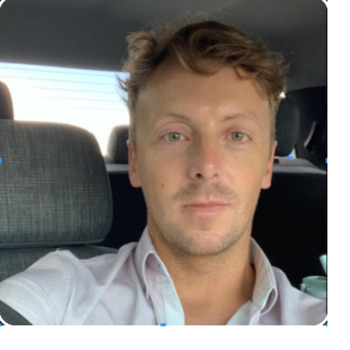
KEVIN THEE
Behavioral health therapy